August 14, 2026
Understanding auto repair basics empowers vehicle owners, providing the confidence needed to care for a car and protect a long-term investment. Gaining insight into how essential automotive systems operate allows drivers to identify emerging problems early, perform minor upkeep tasks, and make informed choices when professional help becomes necessary. A solid grasp of vehicle mechanics transforms routine vehicle care from an intimidating chore into a manageable routine, helping drivers prevent minor hiccups from spiraling into major breakdowns.
By taking time to study the fundamental principles of automotive operation, owners develop a clear sense of how individual components work in harmony. Recognizing normal vehicle behavior makes subtle shifts in performance, unusual sounds, or dashboard indicators immediately apparent. While routine hands-on care keeps systems clean and efficient, partnering with experienced auto mechanics ensures complex diagnostic challenges and precision repairs receive expert attention when needed.
Understand Core Engine Operations
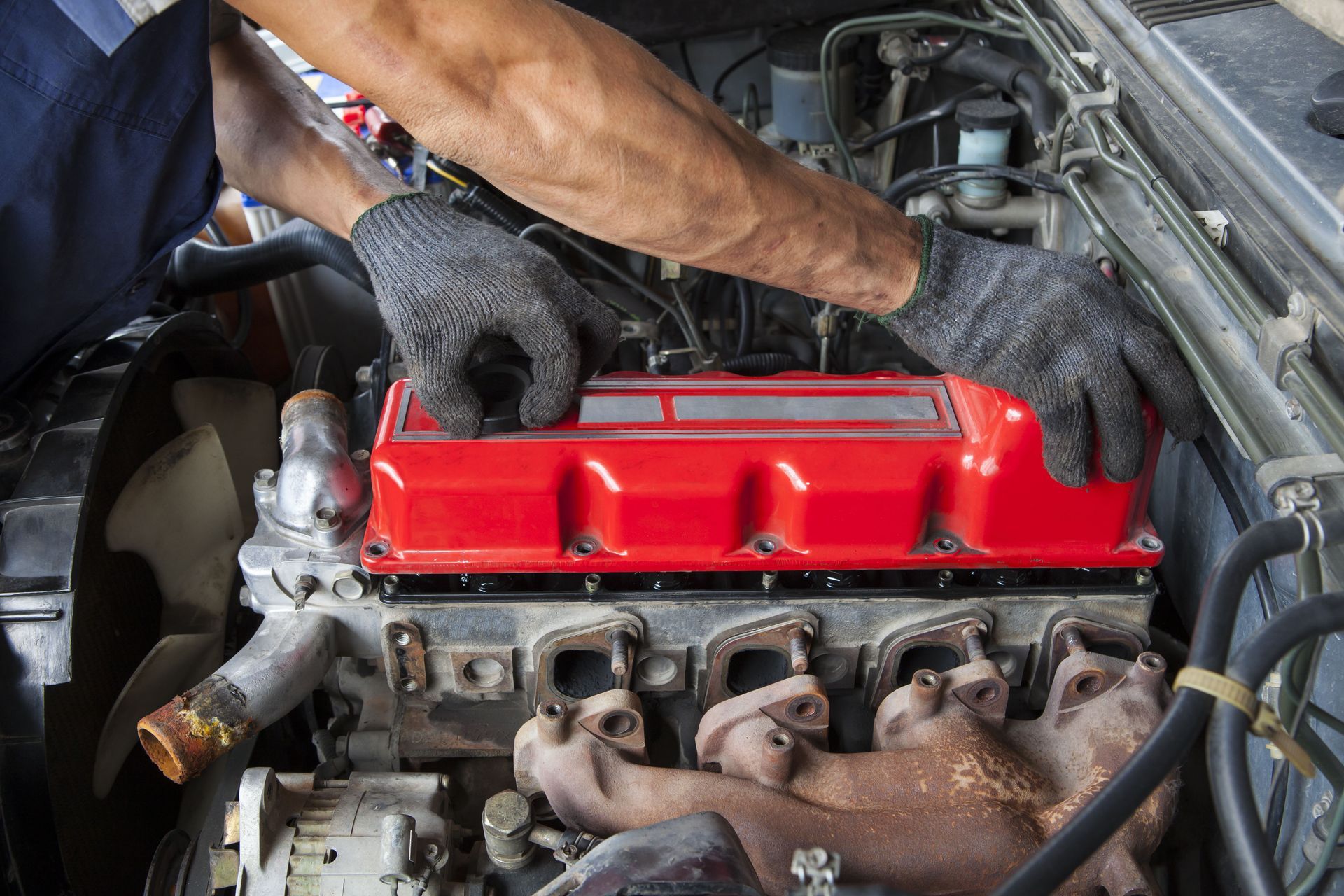
The internal combustion engine serves as the power center of any vehicle, turning fuel into the physical movement required to drive down the road. Within this complex assembly, components such as pistons, cylinders, valves, and crankshafts operate under precise timing and immense pressure. Keeping these interconnected moving parts lubricated with clean motor oil reduces friction, dissipates severe heat, and prevents premature metal wear. Routine inspections by qualified auto mechanics help ensure that critical timing belts, hoses, and mechanical seals remain intact, protecting the structural integrity of the engine block.
Understanding the warning signs of engine stress allows drivers to intervene long before mechanical damage becomes severe. Visual indicators like oil puddles beneath the frame, unusual vibrations through the steering column, or sputtering during acceleration signify underlying mechanical concerns. Moreover, maintaining fuel delivery components, air intake filters, and spark plugs supports optimal combustion efficiency. When drivers prioritize basic engine upkeep, they preserve essential horsepower, safeguard daily drivability, and extend the functional lifespan of the entire powertrain.
Maintain Transmission and Exhaust Performance
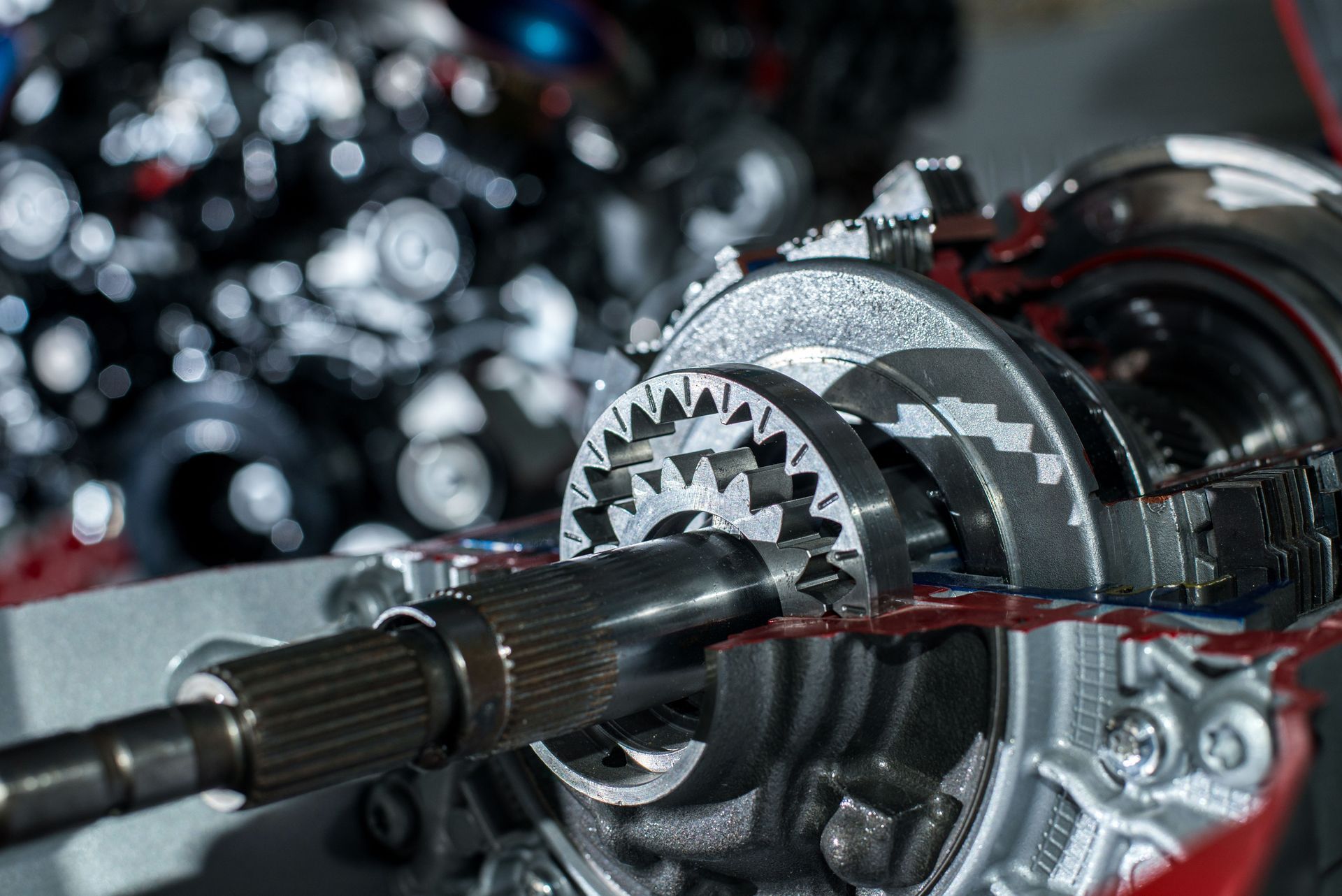
The transmission plays a pivotal role in vehicle operation by transferring mechanical energy from the engine directly to the drive wheels. Whether a vehicle utilizes an automatic or manual transmission setup, fluid condition remains paramount to seamless gear shifting and torque management. Over time, heat and mechanical shear degrade transmission fluid, diminishing its protective qualities and increasing internal friction. Seeking guidance from experienced auto mechanics for routine fluid evaluations and filter replacements helps maintain smooth gear transitions and prevents internal clutch slippage.
Working in tandem with the engine, the exhaust assembly channels dangerous combustion gases safely away from the passenger cabin while minimizing environmental impact. Key components, including the manifold, catalytic converter, and muffler, operate continuously under high temperatures to filter harmful emissions and reduce engine noise. Corrosion, road debris, and physical impacts can compromise exhaust piping or mounting brackets, leading to toxic gas leaks or loud rattling. Regular visual inspections ensure that exhaust components remain securely mounted and free of destructive rust.
Monitor Cooling and Electrical Function
According to Consumer Affairs, the four primary drivers of vehicle repair needs involve trouble within the electrical apparatus, cooling setup, engine and transmission assemblies, and fuel system. The cooling system prevents internal engine temperatures from soaring during heavy operational demands, using a precise mixture of coolant, water pump circulation, a thermostat, and a radiator. Inspecting coolant levels, verifying hose elasticity, and flushing contaminated fluid prevent internal corrosion, radiator blockages, and destructive engine overheating.
Equally vital to daily vehicle operation is the electrical infrastructure, which powers starting components, illumination, instrument panels, and climate control setups. The battery, alternator, and starter motor form a continuous power loop that demands clean electrical terminals, stable voltage output, and properly tensioned belt drives. Corrosion around battery posts or dimming headlights often indicate an unstable electrical system that requires swift evaluation. Experienced auto mechanics possess specialized testing equipment to evaluate battery health, alternator output, and circuit continuity before a starting failure leaves drivers stranded.
Manage Essential Vehicle Maintenance
Routine maintenance forms the cornerstone of automotive longevity, keeping key mechanical assemblies operating at peak efficiency. Regular motor oil changes remove harmful sludge, metal particles, and combustion byproducts that accumulate within the crankcase over extended driving periods. Concurrently, replacing air filters and cabin filters maintains proper airflow for both engine intake and passenger comfort. Following manufacturer maintenance schedules allows vehicle owners to systematically replace wear-and-tear items before component degradation compromises vehicle reliability.
Tire care and brake system inspections represent critical safety procedures that directly influence stopping distances and roadway handling. Maintaining proper tire inflation pressures prevents uneven tread wear, optimizes fuel economy, and ensures adequate traction during inclement weather conditions. Periodic tire rotations and wheel alignment checks preserve tread balance across all wheel positions. During these routine service visits, knowledgeable auto mechanics inspect brake pads, rotors, and hydraulic lines to confirm that stopping systems operate with full structural integrity.
Detect Auditory and Visual Warning Indicators
Vehicles communicate mechanical distress through clear sensory cues, offering observant drivers early warnings of emerging component failures. Dashboard indicators, such as the check engine light or oil pressure symbol, signal that internal sensors have detected system abnormalities. Ignoring these illuminated symbols often leads to compounded mechanical issues that require extensive troubleshooting. Developing a practice of checking instrument clusters upon starting the vehicle ensures that minor warnings receive immediate attention.
Auditory feedback provides equally valuable clues regarding the internal health of mechanical assemblies. Squealing sounds during braking suggest worn friction pads, while metallic grinding indicates complete pad depletion and rotor damage. Similarly, high-pitched squeaks beneath the hood often point to worn serpentine belts, whereas deep clunks or humming noises suggest suspension or wheel bearing wear. Consulting skilled auto mechanics when these unusual sounds arise ensures accurate diagnosis and timely repair of vulnerable components.
Prevent Unexpected Mechanical Failures
Proactive vehicle care requires consistent monitoring of vital operational fluids that keep hydraulic and mechanical systems functioning properly. Brake fluid absorbs moisture over time, which lowers its boiling point and reduces hydraulic braking force, making fluid flushes necessary. Transmission fluids, power steering fluids, and differential lubricants require routine level checks and quality assessments to prevent component wear. Addressing fluid leaks swiftly prevents system pressure loss and protects sensitive internal machinery.
In addition to fluid management, monitoring environmental factors such as extreme weather conditions helps protect critical automotive components. Cold winter temperatures strain battery capacity and thicken engine oils, while intense summer heat accelerates cooling system stress and tire pressure expansion. Preparing a vehicle for seasonal changes by testing antifreeze protection levels and checking wiper blades minimizes seasonal breakdowns. Partnering with certified auto mechanics for pre-season vehicle inspections gives drivers confidence across all weather conditions.
Developing a foundational understanding of automotive basics gives drivers control over vehicle maintenance, safety, and operational efficiency. Recognizing how core components work together allows car owners to catch minor issues early, perform routine inspections, and maintain critical fluid levels. Investing time into understanding vehicle needs fosters long-term reliability and ensures consistent performance across thousands of miles.
When complex repair needs or intricate diagnostic challenges arise, having a dependable team of professionals makes all the difference for your vehicle's health. Professional technicians offer the advanced equipment and technical expertise necessary to address intricate mechanical, electrical, and cooling issues safely. Reach out to our team today to schedule your next maintenance service, and let us at Auto Repair Express keep your vehicle performing safely and reliably.