April 20, 2026
In today's fast-paced world, keeping your vehicle in top shape is crucial for safety, efficiency, and longevity. Understanding how often to service your car can save you from costly auto repair and ensure you get the most out of your investment. This expansive guide delves into factors affecting service schedules, signs that your car needs immediate attention, and offers practical tips for DIY maintenance. It is tailored to equip car owners with the knowledge necessary to maintain their vehicles effectively. Navigating car maintenance can seem daunting, but with the right guidance, you can ensure your car remains reliable and safe.
Understanding the Basics of Car Servicing
The Importance of Regular Maintenance
Regular maintenance is the backbone of a reliable and safe driving experience. It includes routine checks and changes that help prevent small issues from becoming costly auto repair projects. Seasonal upkeep of your vehicle ensures it runs efficiently, reduces the risk of breakdown, and ultimately extends its lifespan. By adhering to a maintenance schedule, you are not only preserving your vehicle’s resale value but also keeping yourself and others safe on the road. Car maintenance is an investment in peace of mind and long-term savings.
Key Components Checked During a Service
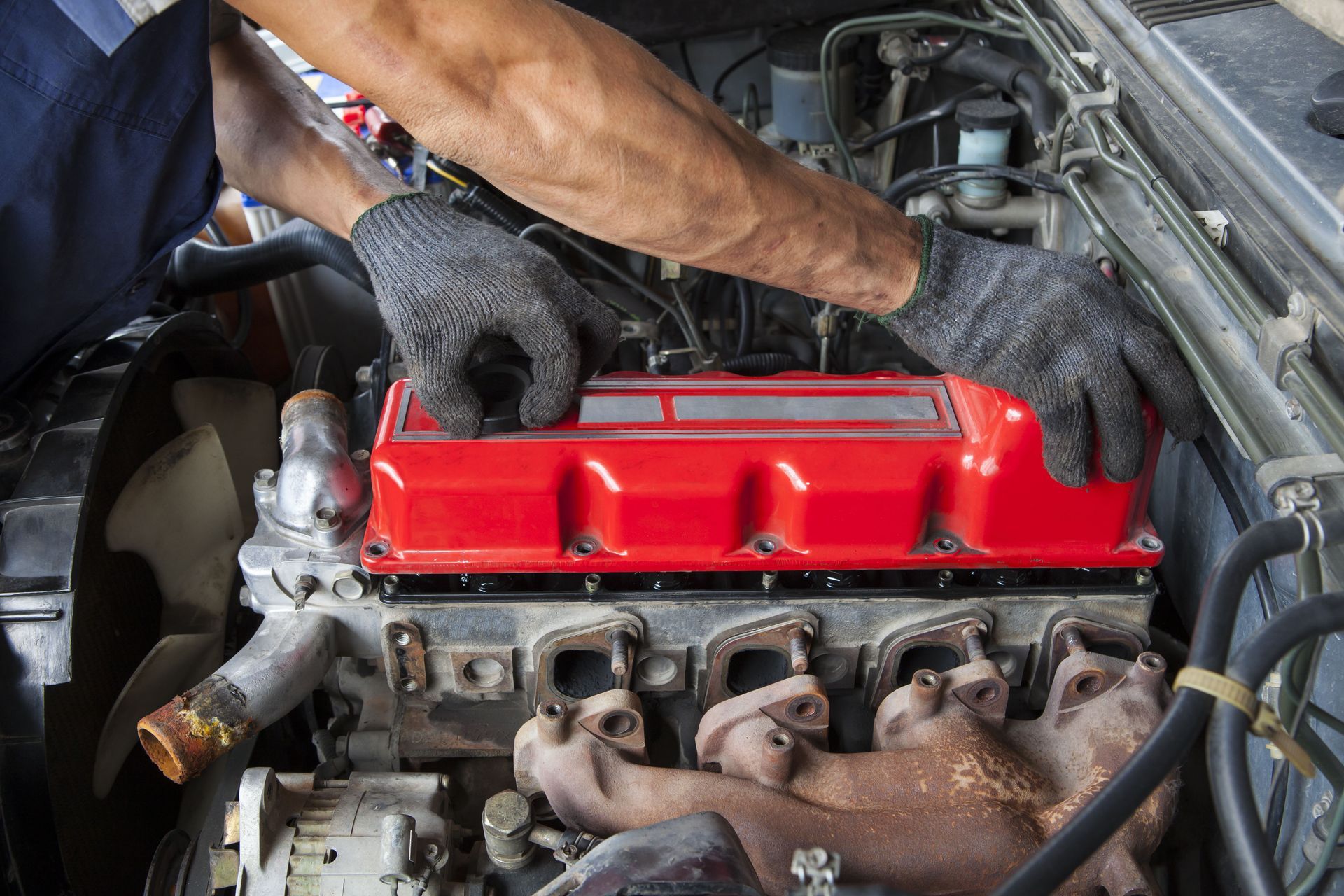
During a car service, major components are thoroughly inspected to spot potential issues early. This includes examining the condition of the brakes, tires, and engine oil levels. Additionally, services often incorporate checks of the exhaust system, ensuring emissions are within legal limits. Regular inspections help address wear and tear before it escalates into serious mechanical failures.
Factors Influencing Servicing Frequency
Car Make and Model
The make and model of your vehicle can greatly influence how often it needs servicing. Luxury models with more complex technology might require more frequent checks to ensure everything runs smoothly. Conversely, some brands are known for their durability and might have longer intervals between services. According to Consumer Affairs, the three car brands with the fewest service issues are Lexus, Toyota and Buick. Understanding your vehicle's specific requirements involves consulting the owner’s manual and staying informed about any recalls or updates from the manufacturer. Ultimately, adhering to guidelines specific to your car model helps maintain its performance and reliability.
Mileage and Driving Conditions
The number of miles you drive annually influences your maintenance schedule significantly. Vehicles used for long-distance travel often require more frequent servicing due to increased wear and tear. Additionally, driving conditions such as urban stop-and-go traffic, extreme temperatures, and rough terrain can expedite the need for routine maintenance. These factors affect not only the frequency but also the type of service your car may require. Assessing your typical driving conditions helps tailor maintenance activities to your specific needs.
Scheduled Maintenance Milestones
3,000 to 7,000 Miles (Oil Change)
Oil changes are among the most critical routine maintenance tasks for any vehicle. This service involves draining old oil and replacing it with fresh oil to keep the engine lubricated and operating efficiently. Depending on the type of oil your car uses—synthetic or conventional—you may have different intervals for changes. Regular oil changes help reduce engine wear and prevent overheating and sludge build-up over time. Ignoring this crucial service can lead to significant engine damage and costly auto repair work.
15,000 to 30,000 Miles (Brake and Tire Inspection)
Every 15,000 to 30,000 miles, it’s vital to conduct thorough brake and tire inspections. Brake checks involve assessing the brake pads, rotors, and fluid levels to ensure your car stops effectively. Tires should be examined for tread wear, alignment, and proper inflation, all contributing factors to vehicle safety and fuel efficiency. Regular brake and tire inspections help prevent unsafe driving conditions and extend the life of both components. Addressing issues discovered during these inspections can mitigate risks and enhance road safety.
35,000 to 50,000 Miles (Battery and Exhaust Checks)
Beyond 35,000 miles, cars should undergo checks on the battery and exhaust systems to preempt failure. The battery's capacity to hold a charge diminishes over time, requiring routine assessment to avoid unexpected incidents. Similarly, exhaust system inspections help prevent harmful emissions and ensure optimal engine efficiency. Addressing battery and exhaust issues early can prevent more significant problems down the line and maintain vehicle performance. These checks are part of comprehensive care for vehicles experiencing moderate to high usage.
60,000 Miles and Beyond (Comprehensive Check)
At 60,000 miles and onwards, cars benefit from comprehensive check-ups that cover numerous systems and components. This milestone involves in-depth inspections and potential replacements of key parts such as the timing belt and transmission fluid. Such extensive maintenance addresses accumulated wear and potential factors affecting longevity and functionality. Staying ahead of potential issues at the 60,000-mile mark ensures your car remains roadworthy and reliable as it ages. Consistently reaching these milestones supports long-term performance and value retention.
Signs That Your Car Needs Servicing
Strange Noises and Vibrations
Unusual noises and vibrations often indicate a need for immediate vehicle servicing. These could stem from various underlying issues such as engine problems, worn-out brakes, or suspension troubles. Ignoring these auditory and physical cues can lead to worsening conditions, escalating auto repair costs, and potentially compromising safety. Ensuring minor issues are addressed promptly prevents them from developing into substantial, costly auto repair projects. Attentiveness to these sensory warnings encourages early intervention and helps maintain vehicle health.
Warning Lights on Dashboard
Dashboard warning lights serve as direct indicators of potential issues requiring professional evaluation. Ignoring these lights can exacerbate problems, leading to severe mechanical failures or unsafe driving conditions. It's important to familiarize yourself with your car’s dashboard to understand the urgency and type of maintenance required for each alert. Diagnostic tools used by professionals can pinpoint problems quickly, guiding necessary auto repair services or adjustments. Responding promptly to warning lights aids in preserving vehicle integrity and prolonging service intervals.
Visible Wear and Tear
Visible signs of wear and tear, such as rust, paint corrosion, or worn interior components, signal the necessity of comprehensive servicing. These external indicators often accompany deeper mechanical issues that develop over time. Protecting your vehicle from progressive exterior decay involves addressing any visible damages and conducting underlying structural checks. Preventive maintenance actions can mitigate progressive damage and maintain the vehicle's aesthetic and functional value. Regular inspections help spot minor issues before they escalate into larger problems requiring more extensive auto repair services.
Choosing the Right Service Provider
Authorized Dealers vs. Independent Mechanics
Choosing between authorized dealers and independent mechanics involves weighing factors such as expertise, cost, and convenience. Authorized dealers offer specialized knowledge, warranties, and manufacturer-approved parts, ensuring adherence to specific vehicle guidelines. However, independent mechanics often present cost-effective alternatives, offering personalized service and flexibility. Weighing these options allows car owners to decide based on budget constraints and specific service requirements. Understanding the pros and cons of each helps align your vehicle care needs with the right service approach.
Reading and Understanding Reviews
Online reviews provide valuable insights into the competence and customer service quality of potential service providers. Evaluating feedback about others’ experiences aids in making informed decisions on whom to trust with vehicle maintenance. Review analysis uncovers patterns in service reliability, pricing fairness, and professionalism—all crucial elements for grooming a trustworthy partnership. Critical examination of reviews supports selecting providers aligning with your expectations and standards. This diligence in vetting service options ensures a higher level of satisfaction and trust in service interactions.
Regular car servicing is integral to maintaining vehicle health, optimal performance, and safety. By understanding the factors affecting service schedules and recognizing signs of necessary maintenance, car owners can proactively manage their vehicles effectively. Whether you choose to do certain maintenance yourself or trust a professional service provider, staying informed and attentive is key to safe and enjoyable driving experiences. Prioritizing routine maintenance, leveraging technological innovations, and choosing the right service options are foundational in sustaining vehicle reliability. This guide empowers vehicle owners to take control of their car maintenance, fostering long-term benefits and peace of mind. Contact Auto Repair Express for more information today.